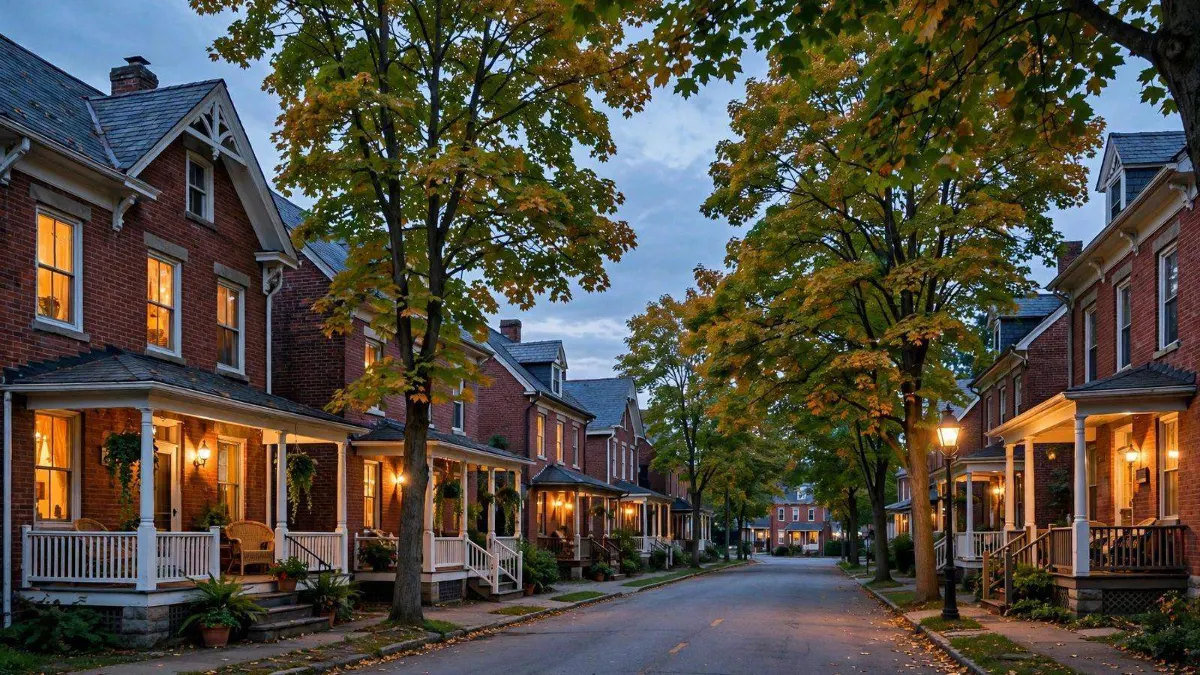
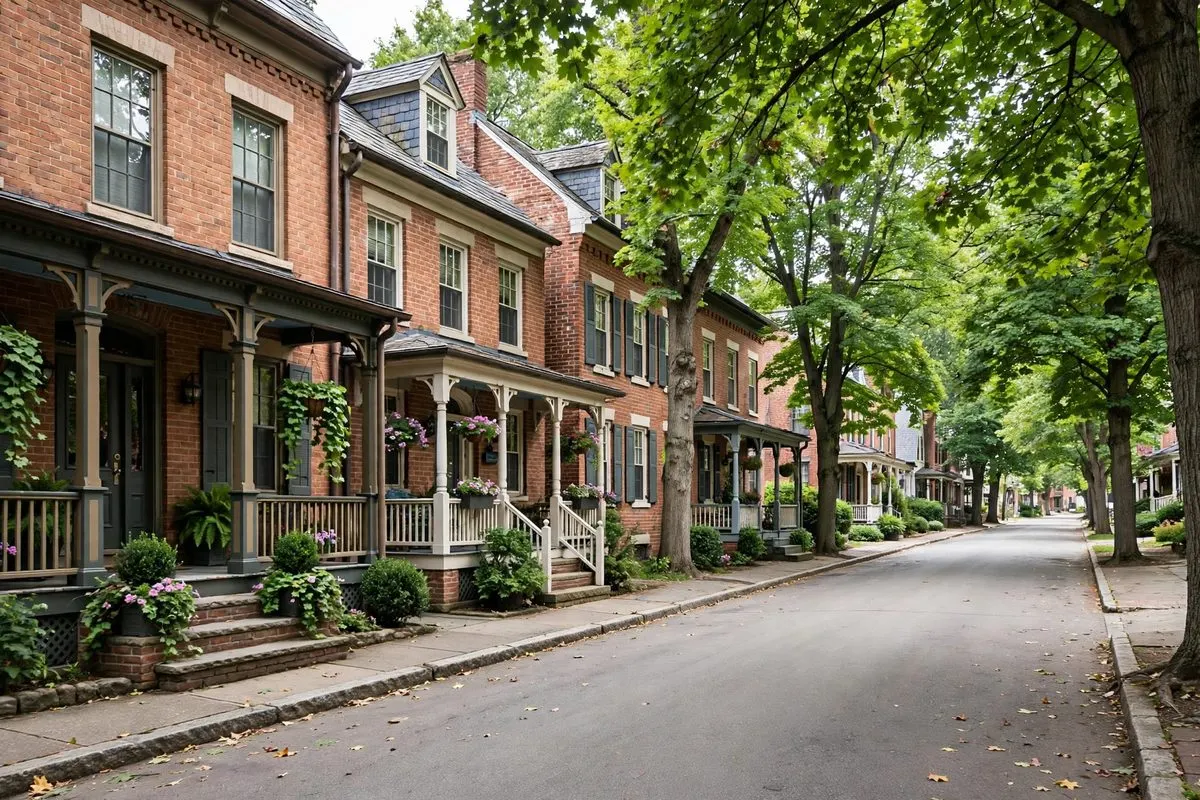
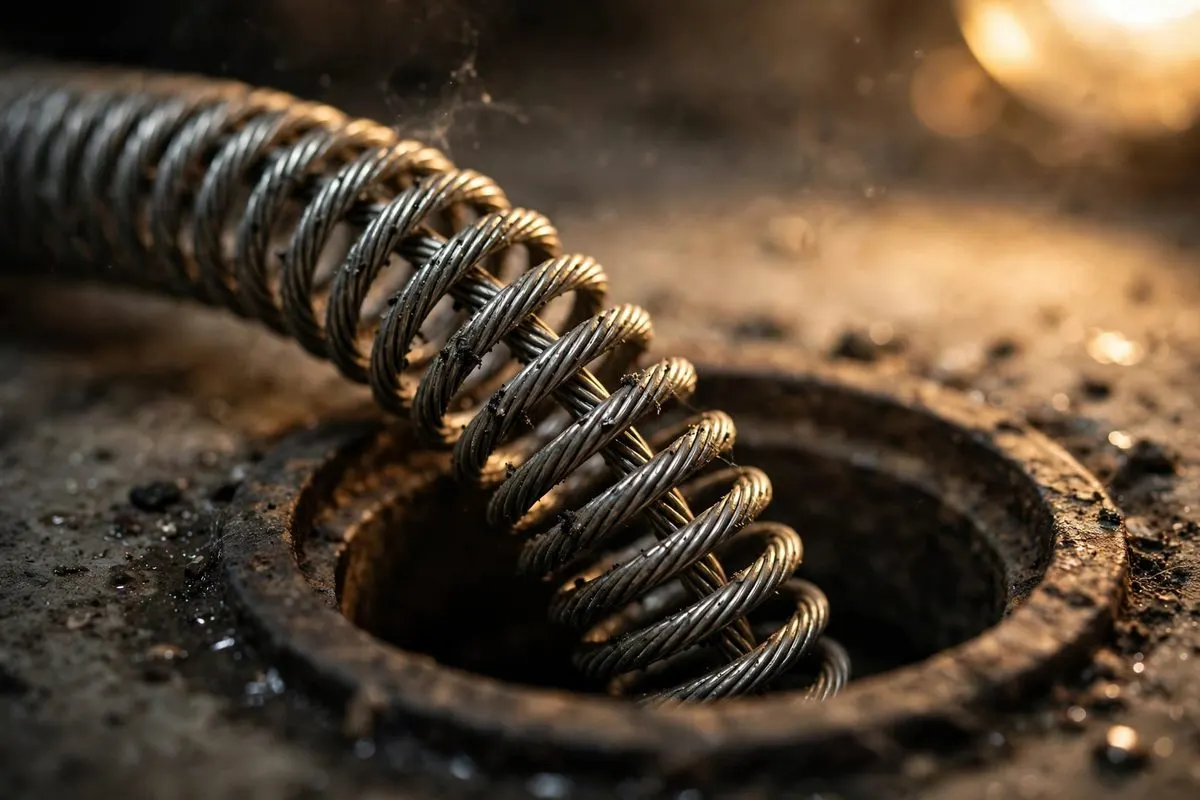
Ephrata Borough holds the oldest drain lines in the area. Along Main Street and the side streets off it, 19th and early 20th century brick homes sit on tight lots with basements, and their original service lines are often cast iron or clay with older galvanized branch lines inside. Mature trees line these streets, and their roots are patient. For drain cleaning in Ephrata Borough, the work often starts at the cleanout or a pulled toilet, with cabling to open the line and a camera to find out why it closed in the first place.
Wrap around the borough and you are in Ephrata Township, where 1960s through 2000s subdivisions hold homes whose original lines are reaching the age where joints loosen and low spots settle. Here the calls are less about roots and more about grease in kitchen branches, laundry standpipes overwhelmed by modern washers, and main lines that back up during wet stretches. Local pros doing drain cleaning in Ephrata Township see this pattern often, so the diagnosis starts from experience.
North along US 322 and around Middle Creek, the villages of Clay, Hopeland and the rural crossroads beyond mix older village homes with newer tracts. For drain cleaning in Clay and the surrounding villages, the same rules apply as everywhere else we serve: one slow fixture means a branch problem, several backing up at once means the main line. One plain note for the countryside: this service covers homes connected to a municipal sewer system. Rural properties on private wells and on-lot septic are outside our scope, and we will say so on the phone rather than waste your time.
Cold Pennsylvania winters add their own stress. Freeze-thaw cycles shift soil around buried lines, and basements, which most Ephrata homes have, put the lowest drain in the house below the level where backups show first. Winter is when marginal lines tend to declare themselves.