Drain Cleaning in Ephrata, PA
Floor Drain Cleaning in Ephrata: Basement and Laundry
A washer that overflows the standpipe or a floor drain that gurgles and backs up means the lowest drains in the house are struggling. For floor drain cleaning Ephrata homeowners can call any day, we connect you with a local pro who clears the line and finds why it keeps happening.
Serving Ephrata, PA. Calls answered 24/7. Referral service; calls may be recorded.
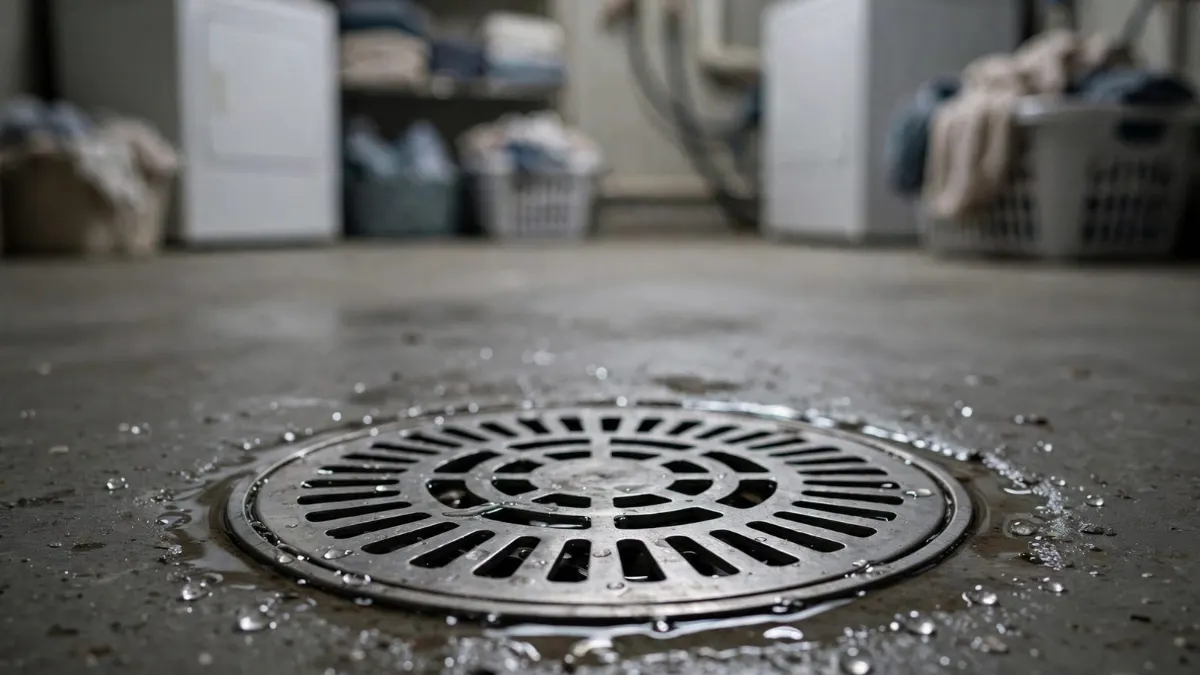
Basement drains live at the bottom of the plumbing system, and they show trouble first. The laundry standpipe takes the hardest flow in the house when the washer discharges, and the floor drain sits at the lowest point, so any downstream blockage pushes water up through it first. Floor drain cleaning Ephrata calls usually involve one of these two fixtures, and the fix depends on which one is acting up and why.
Lint, soap residue, and aging lines cause most laundry problems. Floor drain trouble splits three ways: a local clog in the trap, a dried trap letting smells up, or a downstream blockage using the floor drain as its outlet. Below is how to tell them apart and what the technician does for each. If water is actively coming up through a drain, stop using water and describe the backup by phone.
Floor drain cleaning Ephrata: laundry lint and standpipe overflows
A washing machine drain overflow looks dramatic, but the mechanics are simple. The washer pumps out water far faster than any faucet runs, and the standpipe has to swallow that surge. When lint and soap residue narrow the standpipe drain, the pipe handles a trickle and fails under the discharge. Water climbs the standpipe and spills over, sometimes mid-cycle, which is the most common reason for a floor drain cleaning Ephrata laundry call.
Lint is the main culprit. Every load sheds fibers that combine with soap residue into a dense mat inside the pipe, and the washer's discharge packs that mat tighter every cycle. A mesh lint trap on the discharge hose catches much of it before it reaches the drain. Floor drain cleaning Ephrata technicians clear the packed line with a cable sized for the pipe, then usually suggest the lint trap as the follow-up.
Basement floor drain clogs and backups
A basement floor drain clog in the trap itself is the simplest case: debris and sediment settle into the U-bend and restrict it. The drain gurgles, drains slowly, or holds a shallow puddle after the washer runs. Clearing the trap and the first stretch of branch line usually resolves it.
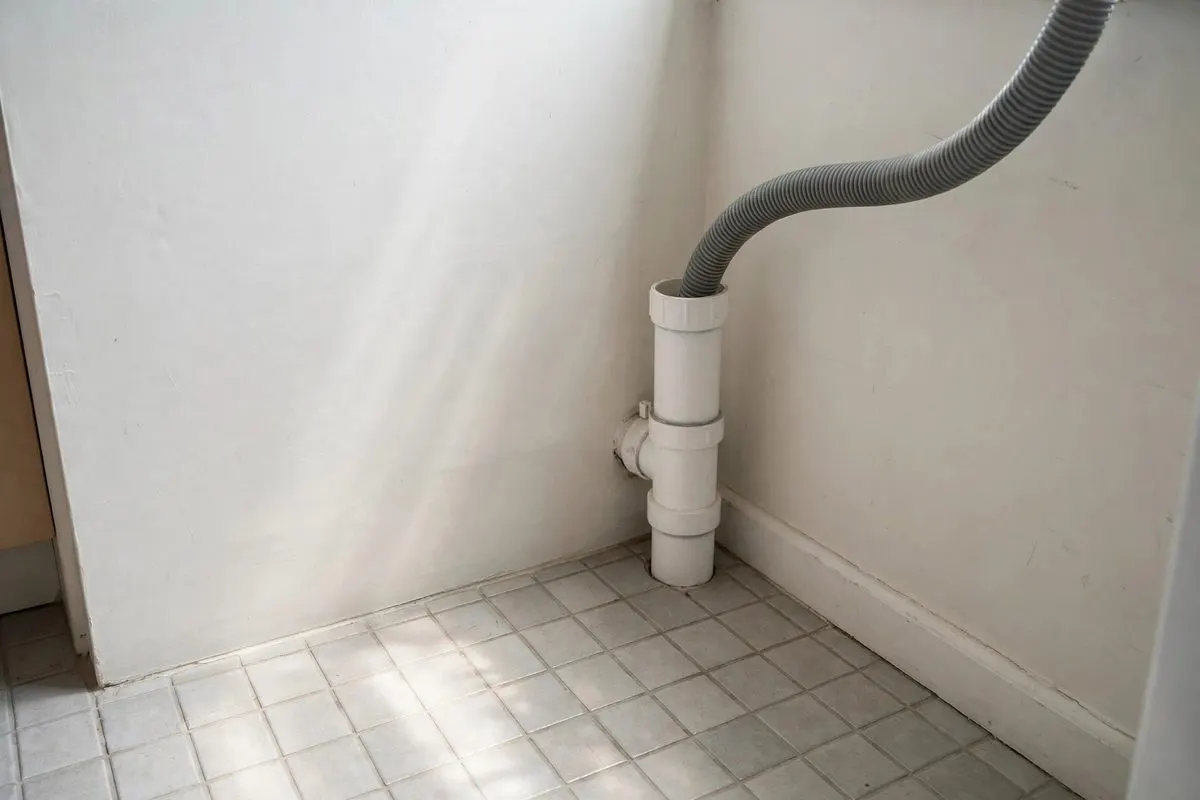
The more serious case is a floor drain that backs up when other fixtures run: the blockage is downstream in a shared line or the main, and the floor drain is the outlet the water found. A laundry drain backing up alongside a gurgling toilet points the same direction. Our page on main drain line cleaning explains that pattern, and if the backup cannot wait, emergency drain cleaning covers what to do right now.
Dried-out traps and floor drain smells
Not every floor drain problem is a clog. The U-bend trap under a floor drain holds water that blocks sewer gas, and in a drain that rarely sees water, that seal evaporates over weeks or months. The result is a musty smell with a drain that works perfectly. Floor drain cleaning in Ephrata smell calls often come down to the simplest cause in plumbing: a trap that has dried out.
If the smell keeps returning, something else is going on: a cracked trap, a venting issue, or a partial blockage holding debris. That is worth a service call rather than guesswork. If the smell is strong or sharp, leave the house and call the gas utility and 911 from outside rather than treating it as a drain issue.
Storm-season backups in low-lying basements
Heavy rain seasons put extra stress on basement drains. Groundwater rises, and lines that were already restricted have less margin. Low-lying basements see more of this: the floor drain that behaved all winter starts burping after sustained rain. It says more about the line's existing condition than about any single storm.
What helps is the same as always: keep the line clear before the season, know where your cleanout is, and move valuables off the basement floor when the forecast turns wet for days. A line that backs up every rainy season has a restriction worth diagnosing in dry weather, which is when floor drain cleaning Ephrata techs prefer to see it. Ask about same-day service if a backup is happening now.
Backwater valves, explained generally
A backwater valve is a one-way fitting on a drain line. Water flowing out opens it; water trying to flow back in pushes it closed, keeping a downstream backup from entering through the lowest drains. It is a mechanical device with a flap or gate, so it has moving parts that can stick, wear, or get held open by debris.
Whether one suits a home depends on the plumbing layout, the line's condition, and local rules about where they may be installed. This site does not install them or advise on code requirements. A backwater valve reduces the odds of a backup reaching your floor drain but does not eliminate them, and it needs occasional checking. If yours has not been looked at in years, mention it on the call so the floor drain cleaning in Ephrata technician can check it.
Standpipe overflow vs. floor drain backup
Floor drain cleaning Ephrata technicians ask which fixture is misbehaving first, because the two failures point different directions.
| Symptom | Usually means | First step |
|---|---|---|
| Water spills from the standpipe during the wash cycle | Lint and soap narrowing the laundry branch | Cable the branch, add a lint trap |
| Floor drain backs up when the washer or toilet runs | Blockage downstream in a shared line or main | Stop using water, clear from the cleanout |
| Floor drain smells but drains fine | Dried trap seal | Have the trap and vent checked |
When the kitchen is part of the pattern too, our kitchen drain cleaning page covers the grease side of the story.
Ephrata homes and basement drains
Basements are the norm in Ephrata, which makes floor drains standard rather than an afterthought. Borough homes often have the original floor drain and laundry setup: a cast iron trap, decades of sediment, and a standpipe added when the washer moved downstairs. Those older traps clog on lint and sediment a newer setup would pass, and floor drain cleaning Ephrata visits to the borough often start with exactly that.
Township subdivisions generally have more modern basement plumbing, though laundry rooms in finished basements can hide the standpipe behind walls. In Hahnstown, where homes are older and lots larger, basement layouts vary widely. This work applies to homes connected to the public sewer system. See drain cleaning in Hahnstown for the village homes and drain cleaning in Ephrata Township for the subdivisions.
Say whether it is the standpipe or the floor drain when you check availability in Ephrata. Floor drain cleaning Ephrata visits start from different places for each.
Floor drain cleaning Ephrata: homeowner questions
A washing machine pumps water out far faster than a faucet runs, and if the standpipe drain is partly clogged with lint and soap, the pipe cannot carry the surge. The water has nowhere to go but up and over. It is a flow-rate problem as much as a clog problem: the line may handle a trickle fine and fail completely under the washer's discharge.
The usual cause is a dried-out trap. The U-bend under the floor drain holds water that blocks sewer gas, and in a drain that rarely sees water, that seal evaporates. A technician can check the trap and the vent and restore the seal properly. If the smell persists after that, the problem is something else and worth a call.
Water rises through a floor drain when the line it feeds into is blocked downstream. The floor drain is typically the lowest drain in the house, so wastewater from fixtures elsewhere takes the easiest path and comes up there first. If it happens when the washer drains or a toilet flushes, the blockage is in a shared line or the main. Stop using water and call.
Often, yes. The floor drain connects low on the system, so a main line blockage shows up there before anywhere else. The test is whether other fixtures are involved: if the washer or toilet triggers the backup, the main line is the likely culprit. A floor drain that backs up on its own, with everything else fine, may be a local clog in its own trap or branch.
A backwater valve is a one-way fitting installed on a drain line that lets water flow out but closes if water tries to flow back in. It is meant to reduce the chance of backups entering through low drains. It is a device with moving parts that needs occasional checking to keep working, and whether one suits a particular home depends on the plumbing layout.
Yes, and it is one of the most common laundry drain problems. Lint combines with soap residue into a dense mat inside the pipe, and the washer's high-volume discharge packs it tighter with every load. A lint trap on the discharge hose catches much of it before it reaches the drain, and emptying that trap is the simplest prevention there is.
The safe answer is to leave the drain alone and call. Do not pour chemical drain cleaner into a floor drain. It will not clear a real blockage, it can damage older pipe, and it leaves hazardous water sitting in the line for the technician. For an actual clog, the line needs mechanical clearing.
In many cases, yes. Calls are answered around the clock and same-day dispatch is available where offered, which covers most floor drain and laundry drain calls. When you call, describe what is backing up and whether other fixtures are affected. The dispatcher will tell you honestly what timing looks like for your situation.
Floor drain cleaning Ephrata can call today
One call connects you with an experienced local pro for floor drain cleaning Ephrata, with pricing discussed with the technician before work begins. Do not run another load until the line is clear.