Drain Cleaning in Ephrata, PA
Drain Cleaning in Clay
Village homes and newer tracts along US 322 get fast, honest drain help with pricing discussed first. For drain cleaning Clay residents rely on, call (223) 204-1707.
Serving Clay. Calls answered 24/7. Referral service; calls may be recorded.
- Era
- Village homes plus newer tracts
- Layout
- Older village lots and subdivision streets
Drain Cleaning Clay: The Two-House Problem
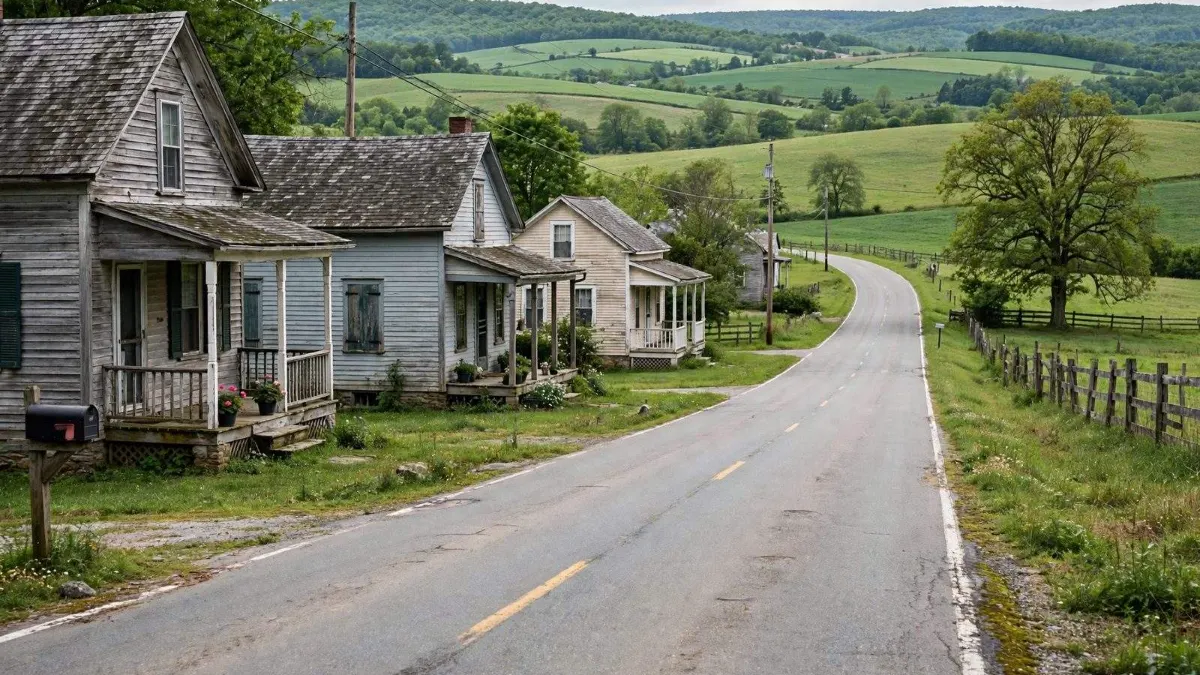
Clay asks a technician to read two kinds of houses at once. This census-designated village in Clay Township sits along US 322, and its streets mix older village homes with newer tract development on the edges. That split is the whole story for drain cleaning Clay homes: the village houses bring older pipe with roots and scale, while the tract homes bring long branch lines with grease. The first question on every call sorts out which kind of house you have.
Village Homes and Tract Homes
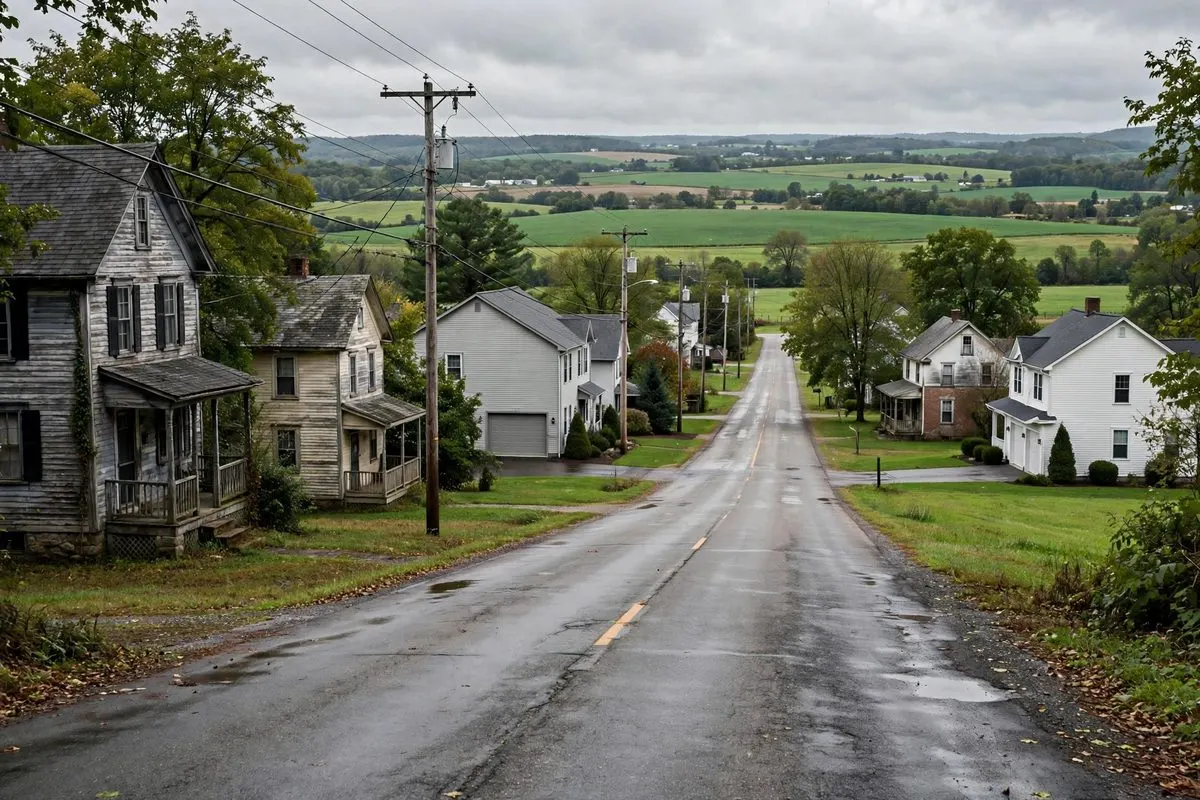
The older core of Clay is a village streetscape: modest homes set close to the road, many with full basements. Around that core, newer tracts hold two-story and ranch homes on wider lots, some of them only a decade or two old. All of it falls in the service area, and a single street in Clay can hold an older farmhouse-style home a few doors down from a newer colonial.
In village homes, the main building drain typically drops through the basement and out under the front yard, with the lateral run short but old. Original lines are often cast iron inside and clay tile outside, and the joints in that clay tile are where roots enter. In the newer tracts the picture flips: plastic pipe throughout, longer lateral runs across bigger lawns, and cleanouts in the yard that are easy to find. Basements are common in the village and less certain in the tracts, where slabs and crawlspaces show up.
That mix means a drain cleaner Clay homeowners call has to diagnose before choosing a method. Cabling clears a simple blockage in either kind of house, but a repeat clog in a village home usually wants a camera look at old clay joints, while a repeat clog in a tract home usually wants jetting for grease on a long branch run. Good drain cleaning Clay service starts by asking how old the house is and which fixtures are involved, and the answers shape everything that follows.
What Usually Goes Wrong in Clay Homes
In the village homes, roots are the headline. Clay tile joints plus mature yard trees equal root entry, and a root mass in the lateral catches grease, paper and everything else. Scale inside old cast iron narrows the pipe from the inside at the same time, so a line that drained fine last year can start clogging every few months. A clogged drain Clay village homeowners report most is the kitchen sink or the main line.
In the tract homes, grease runs the show. Long kitchen branch lines give grease more pipe to coat, and disposals add ground-up food waste to the mix. Laundry standpipes clog with lint and soap in both kinds of houses, and bathrooms collect the usual hair and soap scum. Winter adds freeze and thaw stress on buried lines everywhere in the village, which can shift older joints and open new paths for roots.
The pattern that brings most Clay calls is the repeat clog: cleared in the fall, back by spring. That cycle is the reason drain cleaning Clay work leans on camera inspection. Seeing roots, grease, scale or a settled section on screen tells the technician whether the next step is cabling, jetting or a closer look. That picture is what makes drain cleaning Clay repeat visits shorter and smarter than another blind clearing.
How the Technician Reads a Clay Home
In a village home the technician listens for main line signs, since old clay laterals with roots are the usual suspect. In a tract home the ear is tuned to branch lines, since long grease-coated kitchen runs are the more common story.
Then the cleanout. Village homes often have it in the basement on the main drain; tract homes usually have it in the front yard. If no cleanout exists, the technician notes it and works from the best available access, which may be a pulled toilet or a roof vent in some cases.
When the clog is a repeat, the camera comes out before the cable. That order matters: on a mixed-age street like Clay's, the camera is what keeps a village root problem from being treated like a tract grease problem. You get told what the screen shows in plain words, and pricing is discussed with the technician before any work begins. That straight explanation is what drain cleaning Clay homeowners are paying for, and it is the drain cleaning Clay standard on every visit.
From Call to Clear Drain in Clay
Call (223) 204-1707 and tell the dispatcher what is happening and roughly how old your home is; those two facts shape every drain cleaning Clay visit. Calls are answered 24/7, and where same-day or emergency dispatch is available it is offered right away.
The technician arrives, checks the affected fixtures, finds the cleanout, and lays out the plan before touching a tool. Pricing is discussed with the technician before work begins. The line is cleared with the method that fits what the technician found: cabling for a simple blockage, jetting for grease and heavy build-up, a camera pass for anything that keeps coming back.
Ephrata Drain Cleaning connects you with experienced local pros who do the work as independent professionals. Before leaving, the technician tells you what was in the line and what to watch for, in plain language. For drain cleaning Clay can count on, that honest wrap-up matters as much as the clear drain.
Neighboring Areas and Services
Whole-house backups point to main drain line cleaning, heavy grease or root build-up may need hydro jetting, and repeat clogs deserve a drain camera inspection. In the historic core you will find drain cleaning in Ephrata Borough, and in the surrounding subdivisions there is drain cleaning in Ephrata Township. No matter the symptom, the drain cleaning Clay visit starts with those same questions. Our home page covers drain cleaning ephrata across the borough, the township and the villages.
Drain Cleaning Clay: Common Questions
Yes, and the technician treats them differently. Older village homes tend to have cast iron and clay lines with roots and scale, while newer tracts have plastic pipe where grease and long branch runs are the main issue. Telling the dispatcher roughly how old your home is helps the technician arrive with the right plan.
On village lots the main building drain usually leaves the foundation and runs a short distance to the street connection, often under the front yard or a walkway. In the newer tracts the run is longer, crossing more lawn. The cleanout may be in the basement, in the yard, or in some older homes not present at all.
That is exactly what it is for. The camera shows roots, grease build-up, scale, settled sections and broken joints on a screen you can watch. For drain cleaning Clay homeowners dealing with a repeat clog, the inspection turns a guess into a diagnosis before the next clearing method is chosen.
It depends on the pipe's condition, which is why the technician checks first. Sound pipe handles jetting well, and jetting is one of the best tools for grease and heavy build-up. Fragile or broken pipe is not a candidate, and a camera inspection is the honest way to make that call.
Cabling punches a hole through a blockage with a spinning steel cable, which restores flow fast. Jetting uses high-pressure water to scour the pipe walls clean, which removes the grease and scale that cause repeat clogs. The technician recommends one or the other based on what is in the line.
Because the clearing removed the blockage but not the cause. Grease and starch coat the inside of the branch line, and a cable that punches through leaves that coating behind. That leftover coating is why drain cleaning Clay dispatchers ask about your home's age on kitchen calls.
It means air is moving through the tub drain because the shared line is restricted. The toilet and tub often share a branch, so a partial blockage downstream shows up as gurgling. If it is new, call before it turns into a full backup.
Watch for the pattern. One slow fixture is usually a branch line. Several fixtures backing up together, water coming up in the lowest drain, or gurgling across the house all point to the main building drain. When you call, the dispatcher will ask about that pattern first.
Clogged Drains in Clay?
For drain cleaning Clay can count on, with pricing discussed with the technician before work begins, call (223) 204-1707 today.
Get a straight answer by phone