Drain Cleaning in Ephrata, PA
Hydro Jetting in Ephrata
When a drain cable opens the line but the walls stay coated with grease, scale, or sludge, high-pressure water finishes the job. For hydro jetting Ephrata homeowners can call any day, we connect you with a local pro who cameras the line first, then jets it clean.
Serving Ephrata, PA. Calls answered 24/7. Referral service; calls may be recorded.
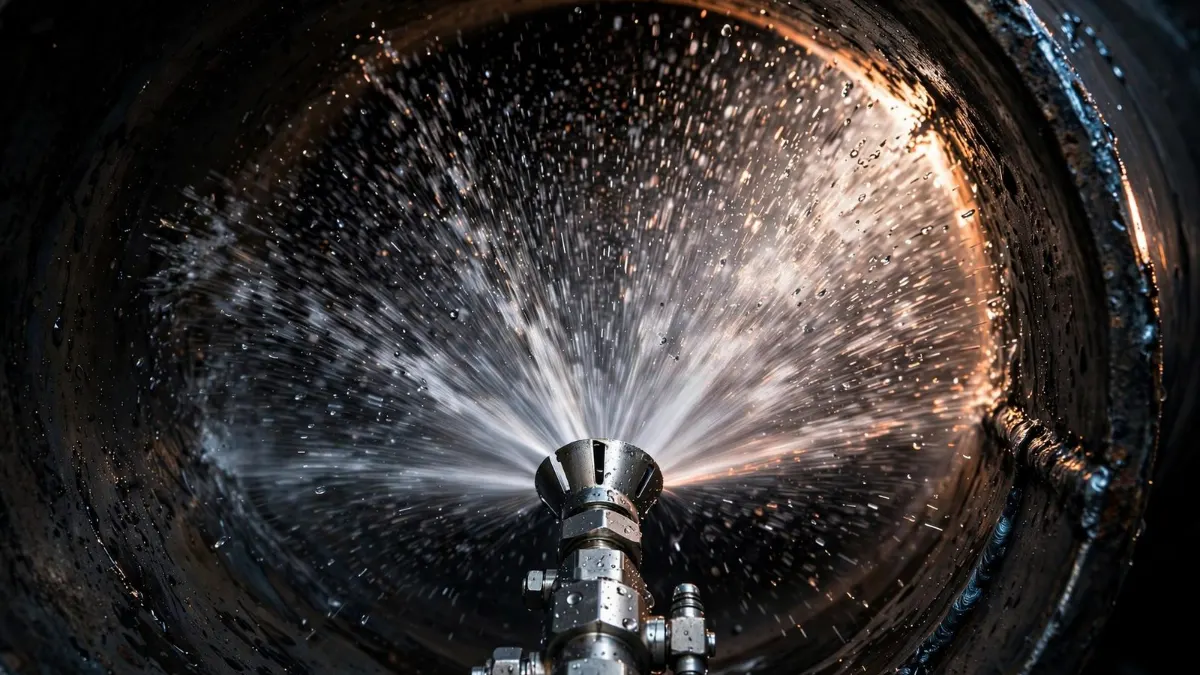
Some clogs are a single blockage. Others are a pipe wall coated thick with years of grease, soap, scale, or sludge, where cutting a hole through the middle just leaves the coating to close back up. That second problem is what hydro jetting Ephrata is for. It sends high-pressure water through a specialized nozzle that scours the full interior of the pipe, flushing the loosened material downstream and out.
Hydro jetting Ephrata technicians use the method most on kitchen lines heavy with grease, main lines with sludge buildup, and root intrusions that need more than a cable. It is not the right tool for every line, and an honest pro says so. Below is what jetting does, how it compares with cabling, and the camera-first rule that keeps it safe. Talk through your options by phone and get a straight answer about your line.
Hydro jetting Ephrata: what it is
A jetter is a pump, a hose, and a nozzle. The pump pressurizes water, the hose carries it into the drain line through a cleanout or other access point, and the nozzle at the tip directs jets both forward and backward. The forward jets break up the blockage ahead. The backward jets scour the pipe walls and pull the hose deeper into the line. The whole assembly cleans as it travels, so one pass treats the full length of pipe.
You may also hear the process called water jetting. When the work targets the building sewer, a water jetting sewer line service is the same high-pressure process applied to the larger pipe. The equipment scales up for bigger lines, but the principle does not change: water under pressure, directed by the nozzle, doing the scrubbing that a cable cannot.
Hydro jetting drain cleaning vs. cabling
Cabling and jetting solve different problems, and knowing which you have saves money. A cable cuts a path through a blockage. If the blockage is a wad of paper, a hair mass, or a root ball sitting in an otherwise sound pipe, the cable restores flow and the job is done. Hydro jetting drain cleaning goes further: it cleans the pipe walls themselves, which matters when the walls are the problem.
Think of it this way. Cabling is like poking a hole through a clogged artery. Jetting is like scrubbing the artery walls. A kitchen line with a quarter inch of grease coating the full circumference will clog again soon after cabling, because the coating is still there narrowing the pipe. Jetting removes the coating. Many thorough jobs use both in sequence: the cable opens the line so the camera can see, the camera confirms the pipe is sound, and the jetter does the deep clean.
Find out which method your line needs. A description of the symptoms is usually enough for the dispatcher to say which equipment the visit calls for.
Jetting grease and roots: what it removes
Jetting grease and roots out of a line is where the method earns its reputation. Grease responds best: hot, pressurized water melts and strips the waxy coating that cables only poke through, and the backward jets flush it downstream before it can resettle. Kitchen branch lines and restaurant-style buildup in residential lines are the classic use case.
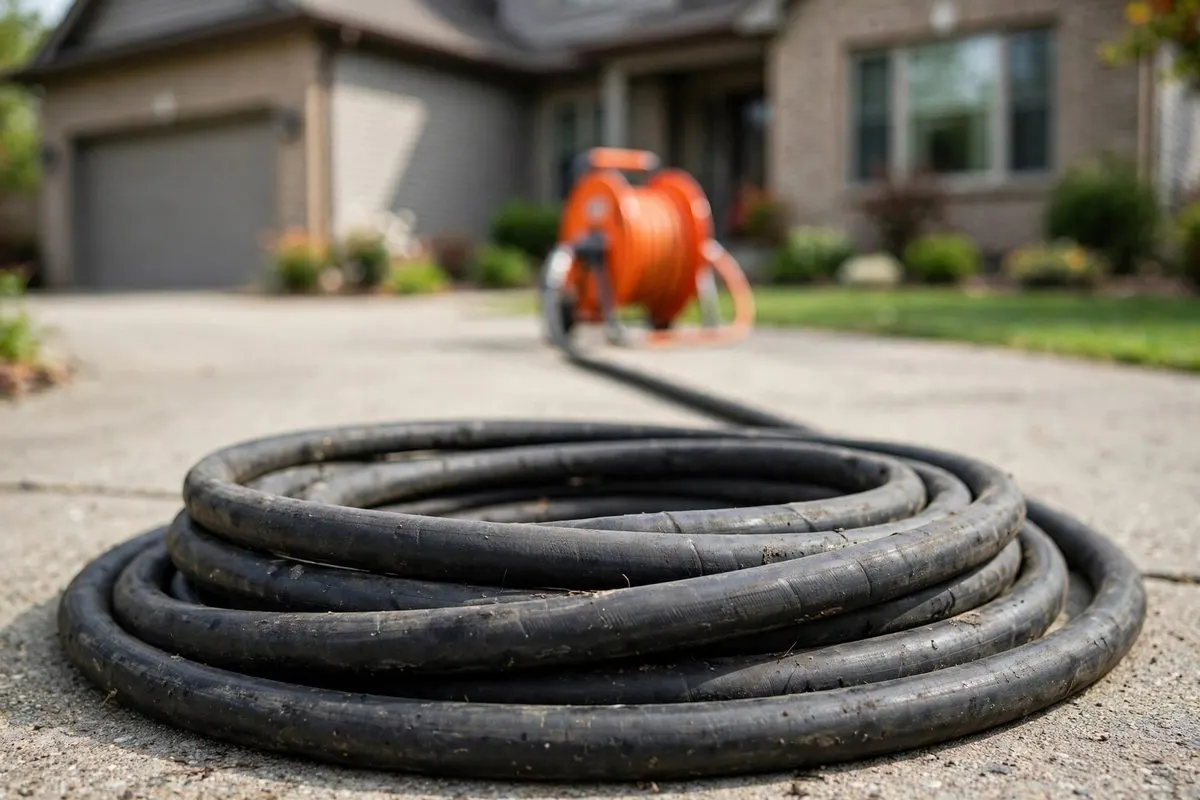
Scale and sludge come next. Mineral scale roughens the pipe interior and catches debris; sludge is the settled mix of everything a line carries. Both coat the full circumference, which is exactly the geometry jetting handles best. Roots are the third target: the forward jet cuts the root mass and the scouring pass cleans the hairs off the wall. What jetting cannot do is fix the joints the roots came through. Hydro jetting Ephrata root jobs end with the same honest note every time: the line is clear, and the roots will return.
When hydro jetting is not suitable
Jetting is powerful, and power aimed at a broken pipe causes damage. For hydro jetting Ephrata technicians, pipe that is cracked, collapsed, or badly offset is off the list. Forcing pressurized water into a cracked line can drive water into the surrounding soil, wash out bedding, or break the pipe further. A belly, a low spot where water pools, will still hold water after jetting, because no amount of pressure changes the pipe's shape.
It is also the wrong tool for a simple soft clog. If a cable clears the line in minutes and the camera shows clean walls, hydro jetting Ephrata adds cost without adding value. An honest technician says so instead of selling the bigger service. The rule is straightforward: jetting is for buildup on sound pipe, not for structural problems and not for clogs a cable already solved.
Camera first, then jet
The camera inspection before jetting is not an upsell. It is the step that makes jetting safe. The technician runs the camera through the line and checks for the conditions that rule jetting out: cracks, collapses, severe offsets. What the camera finds decides whether the jetter comes out of the truck at all.
The camera also aims the work. It shows where the buildup is heaviest, how far it runs, and whether roots or grease are the main target, so the technician picks the right nozzle and spends the effort where it counts. Our drain camera inspection page explains what the video shows. After jetting, a second camera pass can confirm the walls are actually clean, which turns a feeling of done into something you can see.
Cabling vs. hydro jetting at a glance
Hydro jetting Ephrata technicians choose between these methods on every heavy-buildup call.
| Method | How it works | Best for | Limit |
|---|---|---|---|
| Cabling | Steel cable with a cutting head | Single blockages, roots, opening flow | Leaves wall coating behind |
| Hydro jetting | High-pressure water nozzle | Grease, scale, sludge on sound pipe | Not for cracked or collapsed pipe |
For a line that also serves basement fixtures, see our page on floor drain cleaning before deciding on method.
Ephrata homes and hydro jetting
Hydro jetting Ephrata fits some homes better than others, and the difference is the pipe. Borough homes with original clay or cast iron lines get the camera-first treatment as a matter of course: those pipes can be sound enough to jet, but nobody jets them blind. When the camera shows solid pipe with heavy grease or scale, jetting gives an old line a genuinely fresh interior.
Township subdivisions with smoother, newer pipe are straightforward candidates when buildup is the diagnosis. In the villages of Hopeland and Murrell, where housing mixes older and newer construction, the camera decides. For those areas, see drain cleaning in Hopeland and drain cleaning in Murrell. Wherever the house sits, hydro jetting Ephrata work follows the same order: camera, then jet, then verify.
Ask about a camera-first visit and the technician will tell you honestly whether your line is a jetting candidate.
Hydro jetting Ephrata: homeowner questions
It depends on the pipe's condition, which is why a camera inspection comes first. Sound pipe, even older cast iron or clay, generally handles jetting fine. Pipe that is cracked, collapsed, or badly offset does not, and jetting it can make things worse. The honest answer is that jetting is safe for old pipes that are still structurally sound, and the camera is how anyone knows.
Jetting cuts and flushes out root masses inside the pipe, and it scours the leftover root hairs off the pipe walls better than a cable alone. It does not kill the roots outside the pipe or stop them growing back through the same joints. For root intrusion, jetting is a thorough clearing, not a permanent fix, and repeat visits should be expected.
That depends on what goes down the drain afterward and the condition of the pipe. A jetted kitchen line in a house that keeps grease out of the sink stays clear far longer than one that does not. Root intrusion grows back on its own schedule regardless of cleaning. No honest contractor puts a calendar date on it.
Neither is better in every case. Snaking, or cabling, cuts through a blockage and restores flow, which is the right call for a simple clog. Jetting scours the full pipe wall, which is the right call for heavy grease, scale, or sludge coating the line. Many jobs use both: the cable opens the line, and the jetter cleans what the cable left behind.
Usually not directly. Jetting needs a straight shot into the line, so the technician works from a cleanout, a pulled toilet, or an outside access point rather than down through a sink trap. The bends under a sink are too tight for the jetter hose and nozzle. If your only access is under the sink, the technician will find or create a better one.
Less messy than most people expect, because the work happens inside the pipe. The jetter hose goes in through the cleanout, and the water does its work downstream of the access point. The technician lays drop cloths around the work area and controls the hose at all times. Some water at the access point is normal; a flooded room is not, and a careful tech keeps it that way.
The camera shows what the jetter cannot feel: cracks, collapses, offsets, and bellies. Jetting a cracked or collapsed pipe can force water into the surrounding soil or break the pipe further. The camera also shows whether the problem is buildup, which jetting fixes well, or a structural defect, which it does not. A short video check prevents an expensive mistake.
When the pipe is cracked, collapsed, or badly offset, jetting is the wrong tool and can cause damage. It is also overkill for a simple soft clog that a cable clears in minutes. If a camera shows structural damage, the line needs repair or replacement, not cleaning. A straight answer on the phone will tell you which situation you are in.
Hydro jetting Ephrata can call today
One call connects you with an experienced local pro for hydro jetting Ephrata, with pricing discussed with the technician before work begins and a camera check before any jetting.