Drain Cleaning in Ephrata, PA
Main Drain Line Cleaning in Ephrata
When several fixtures back up at once or the basement floor drain fills, the problem is usually the main drain line, not one sink. For main drain line cleaning Ephrata homeowners can call any day, we connect you with a local pro who finds the blockage and clears it from the cleanout.
Serving Ephrata, PA. Calls answered 24/7. Referral service; calls may be recorded.
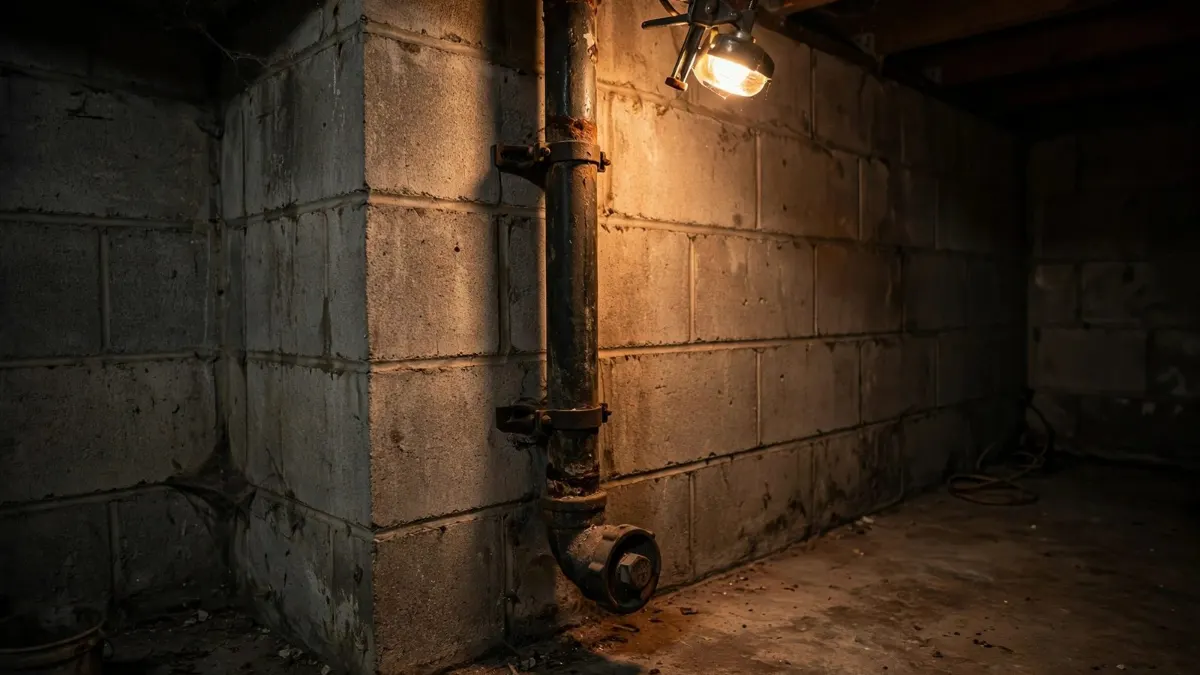
Every drain in your house flows into one pipe: the main drain line to the public sewer. When that single pipe blocks, every fixture feels it. That is what makes main line trouble different from an ordinary clogged sink.
Main line blockages follow recognizable patterns, and a technician with the right cable can clear most of them from a single access point. Below: the signs that point to the main line, where the cleanout usually is in Ephrata homes, and what the visit looks like. If water is coming up through a floor drain right now, stop using water and reach the on-call team.
Main drain line cleaning Ephrata: signs it is the main line
A single slow fixture is a local clog. The main line announces itself through patterns across the house. The toilet gurgles when the washing machine drains, the tub fills when someone flushes, and the basement floor drain backs up while upstairs fixtures still seem fine. Any one of these can have another explanation, but two or more together point to the main line.
Branch lines serve one fixture or one room; the main line serves all of them. When it narrows, water from every fixture competes for the same restricted opening, and symptoms show up wherever water finds the easiest alternative path. Reading that pattern saves you from paying to clear a bathroom sink when the blockage sits thirty feet further down.
Multiple drains backing up: the clearest sign
Multiple drains backing up at once is the symptom main drain line cleaning Ephrata technicians trust most. Flush the toilet and watch the tub drain: if water rises there, the blockage is downstream of where those fixtures join, the main line or close to it. A local clog cannot make a distant fixture back up.
Gurgling across fixtures tells the same story: air trapped by a downstream blockage bubbles up through the nearest trap water it can find. When the kitchen sink gurgles as the washer drains, or the toilet bubbles when the tub empties, the shared line is restricted further along. Mention these cross-fixture symptoms on the call; they are the fastest way for main drain line cleaning Ephrata dispatchers to size up the job.
The cleanout: where it usually sits in Ephrata homes
The cleanout is the capped pipe that gives direct access to the main drain line, usually in the basement or crawl space near the foundation wall where the main exits toward the street. Many houses also have an outside cleanout: a round or square cap in the lawn between the house and the sidewalk.
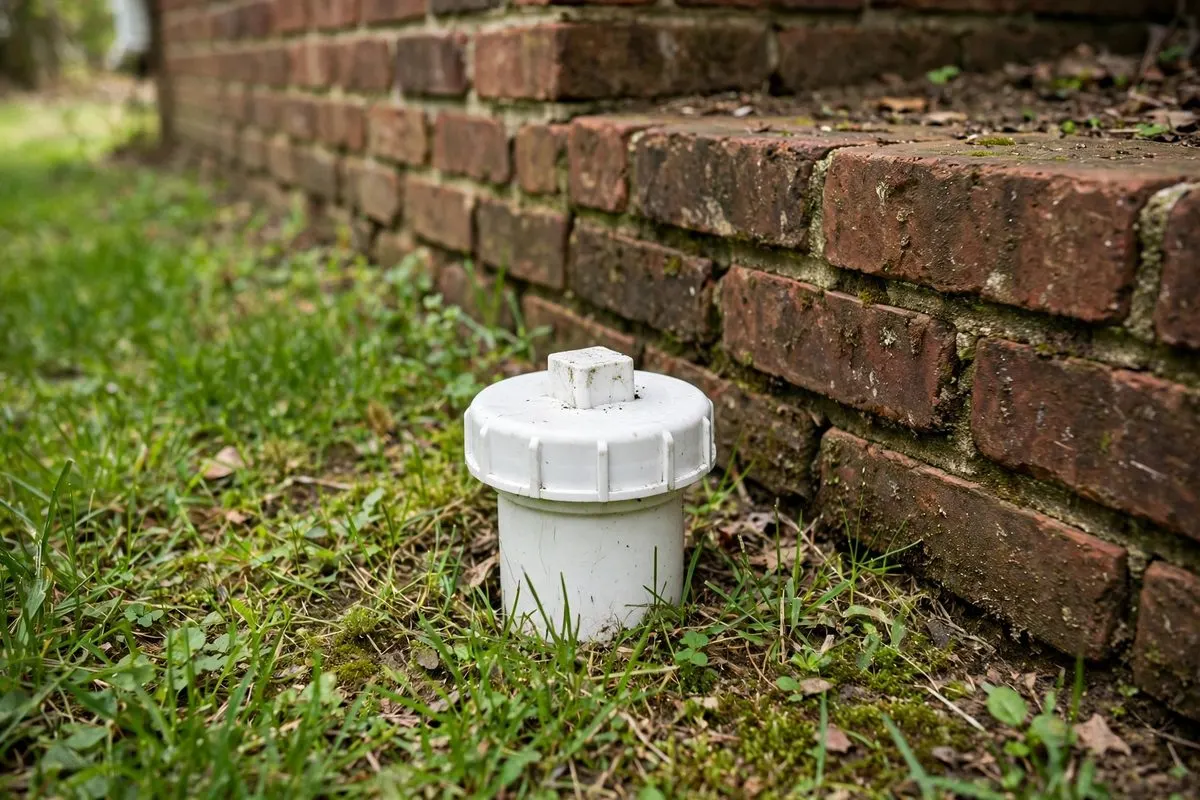
If you can find the cleanout before the technician arrives, say so on the call and clear a path to it. Without one, the technician can still work, usually by pulling a toilet to reach the line through the flange, but it takes longer. Main line cabling needs professional equipment, and main drain line cleaning Ephrata pros bring the equipment it demands.
How main line drain cleaning works: cabling the line
Main line drain cleaning starts at the cleanout with a heavy cable machine. The technician feeds a coiled steel cable with a cutting head into the line and works it through the blockage, letting the rotating head chew through roots, paper, and buildup. The cable runs the full distance to the street connection, since a blockage can sit anywhere along that run, which is standard in main drain line cleaning Ephrata work.
The cutting head matters as much as the cable: a spiral head opens soft blockages, while a root-cutting head shears off root masses grown in through joints. The technician chooses by feel, then runs water hard through every fixture to confirm full flow is restored. When you tell us what is backing up, the dispatcher makes sure the right equipment is on the truck.
Tree roots, older pipe, and main sewer line clogs
Roots cause a large share of main sewer line clogs in older neighborhoods. A root hair finds a pipe joint, follows the moisture, and grows into a mass that catches paper and waste until the line chokes. Clay and cast iron lines with bell-and-spigot or hub joints are the most inviting, which describes many building sewers under Ephrata's older streets and tree lawns.
Cabling cuts roots out and restores flow, but it does not stop regrowth, so a line with root intrusion becomes a maintenance item rather than a one-time fix. The decision starts with knowing roots are the cause, which is exactly what a camera inspection confirms. Main drain line cleaning Ephrata techs cut roots through every growing season.
When a camera inspection is the next step
Cabling clears the line but cannot show what it looks like. When the same main backs up again within months, or the cable hits something that does not feel like roots or buildup, the next step is a camera: the technician feeds a camera head through the cleanout and watches the pipe interior on a monitor. Root masses, bellies, offsets, cracks, and scale all show up clearly.
The video replaces guessing with seeing: a belly of standing water explains repeat clogs, and a cracked section explains returning roots. Our drain camera inspection page explains what the video can and cannot show. If the camera finds a collapsed section that clearing cannot fix, we can refer you to a contractor who handles excavation and replacement.
Main line or single fixture: reading the signs
Main drain line cleaning Ephrata technicians ask the same questions on every call, because the answers separate a main line job from a fixture job.
| Sign | Points to the main line | Points to one fixture |
|---|---|---|
| Fixtures affected | Several at once | Just one |
| Lowest drain | Floor drain backs up first | Floor drain stays dry |
| Gurgling | Across rooms when fixtures run | Only at the slow fixture |
| Backup trigger | Any water use anywhere | Only that fixture's use |
After cabling opens a heavily coated line, hydro jetting can scour it clean.
Ephrata homes and main drain lines
Borough homes along Main Street and the older side streets often have clay or cast iron building sewers laid decades ago, running under mature tree lawns whose roots have had generations to find the joints. With basements common, the lowest drain is usually a floor drain. That is why main drain line cleaning Ephrata calls from the borough so often involve roots.
Township subdivisions from the 1960s through the 2000s usually have smoother pipe, though the oldest tracts are reaching the age where joints invite roots. Clay village homes along US 322 mix both eras; Hahnstown housing is older and more spread out. This work applies to homes connected to the public sewer system. See drain cleaning in Clay and drain cleaning in Hahnstown.
If your main line has backed up more than once, ask about a camera inspection. In main drain line cleaning Ephrata work, seeing the pipe beats guessing at it.
Main drain line cleaning Ephrata: homeowner questions
The telltale sign is more than one fixture misbehaving at once. Toilets gurgling when the washer drains, water coming up in the tub or a basement floor drain, and several slow drains appearing together all point past any single fixture. One slow sink is a local clog. A pattern across the house is the main line asking for attention.
Look first in the basement or crawl space where the main drain exits toward the street, often a capped pipe sticking up near the foundation wall. Many Ephrata homes also have an outside cleanout, a round or square cap in the lawn between the house and the sidewalk. If you cannot find one, the technician will locate the best access point on arrival.
Work can still be done. Without a cleanout, the technician may pull a toilet to access the line through the flange, or work from a basement floor drain if the layout allows. It takes longer and costs more in labor than working from a cleanout, which is why adding one is worth discussing once the immediate problem is solved.
Yes, in most cases. A cable with a root-cutting head shears roots off inside the pipe and restores flow, and hydro jetting can scour the remaining root mass from the pipe walls. Clearing is not the same as removing the cause: roots grow back, so lines with root intrusion need periodic attention. A camera inspection shows how bad the intrusion is.
The floor drain is usually the lowest drain in the house, and water takes the easiest path. When the main line is blocked, wastewater from every fixture has nowhere to go, so it rises out of the lowest opening first. A floor drain backing up while upstairs fixtures still work is one of the clearest signs the problem is in the main line, not a fixture.
Treat it as urgent. A blocked main line means every drain in the house is affected, and continued use can push wastewater up through the lowest fixtures. Stop using water, keep people and pets away from any backed-up water, and call. Calls are answered around the clock, and emergency dispatch is available where offered.
Yes. Every gallon you send down has to go somewhere, and with the main line blocked, that somewhere is the lowest open drain. Stop running faucets, hold off on laundry and dishwashing, and do not flush unless you must. Less water in means less water coming back up while you wait for the technician.
The technician will show you what the camera found and explain what it means for the line. Clearing can still restore flow in many cases, but a collapsed or badly broken section is beyond what cabling or jetting can fix. This site does not do excavation work.
Main drain line cleaning Ephrata can call today
One call connects you with an experienced local pro for main drain line cleaning Ephrata, with pricing discussed with the technician before work begins.