Drain Cleaning in Ephrata, PA
Kitchen Drain Cleaning in Ephrata
A kitchen sink that drains slowly, gurgles, or backs up into the other basin is usually grease, starch, and food waste narrowing the branch line. For kitchen drain cleaning Ephrata homeowners can call any day, we connect you with a local pro who clears the line and explains why it keeps happening.
Serving Ephrata, PA. Calls answered 24/7. Referral service; calls may be recorded.
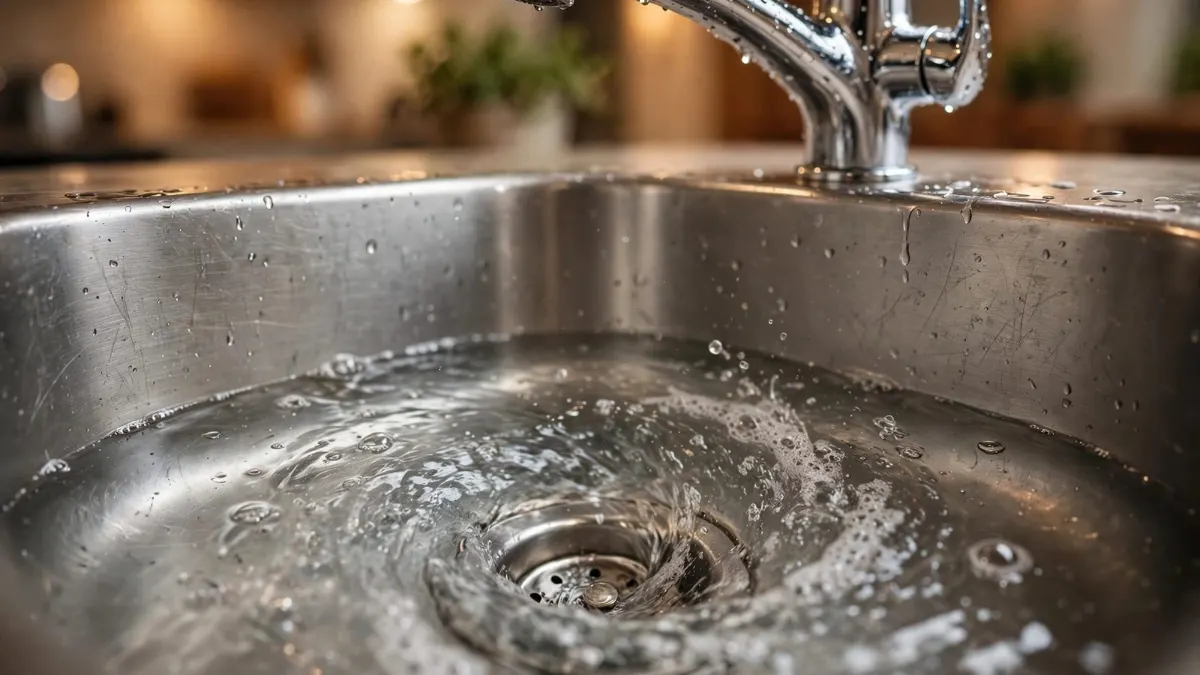
A clogged kitchen sink stops a household. Dinner prep halts, the dishwasher cannot run, and dirty water sitting in the basin makes the whole kitchen feel stuck. That is why kitchen drain cleaning Ephrata households ask for starts with the fastest path to a working sink, then deals with the reason it happened.
Most kitchen clogs come down to daily habits. Grease, coffee grounds, rice, pasta, and disposal waste coat and narrow the branch line until one ordinary rinse stops it. Below is where that blockage usually sits, what the technician does about it, and the habits that keep it from returning. If your sink is standing full right now, call for a same-day slot and a local pro will take it from there.
Kitchen drain cleaning Ephrata: where the clog forms
Kitchen waste clogs a drain in layers. Hot grease goes down liquid and hardens into a waxy ring a few feet past the trap. Starch turns gummy and sticks to that ring, then coffee grounds and food particles pack into the rest. Each layer shrinks the opening until water can barely pass, which is the pattern kitchen drain cleaning Ephrata techs see most.
The disposal adds a twist many people miss. Grinding food smaller does not make it disappear: those pieces still travel the same branch line, and fibrous or starchy waste can clump downstream where you cannot see it. It is a pattern kitchen drain cleaning Ephrata technicians recognize on sight.
Clogged kitchen sink on one side or both sides
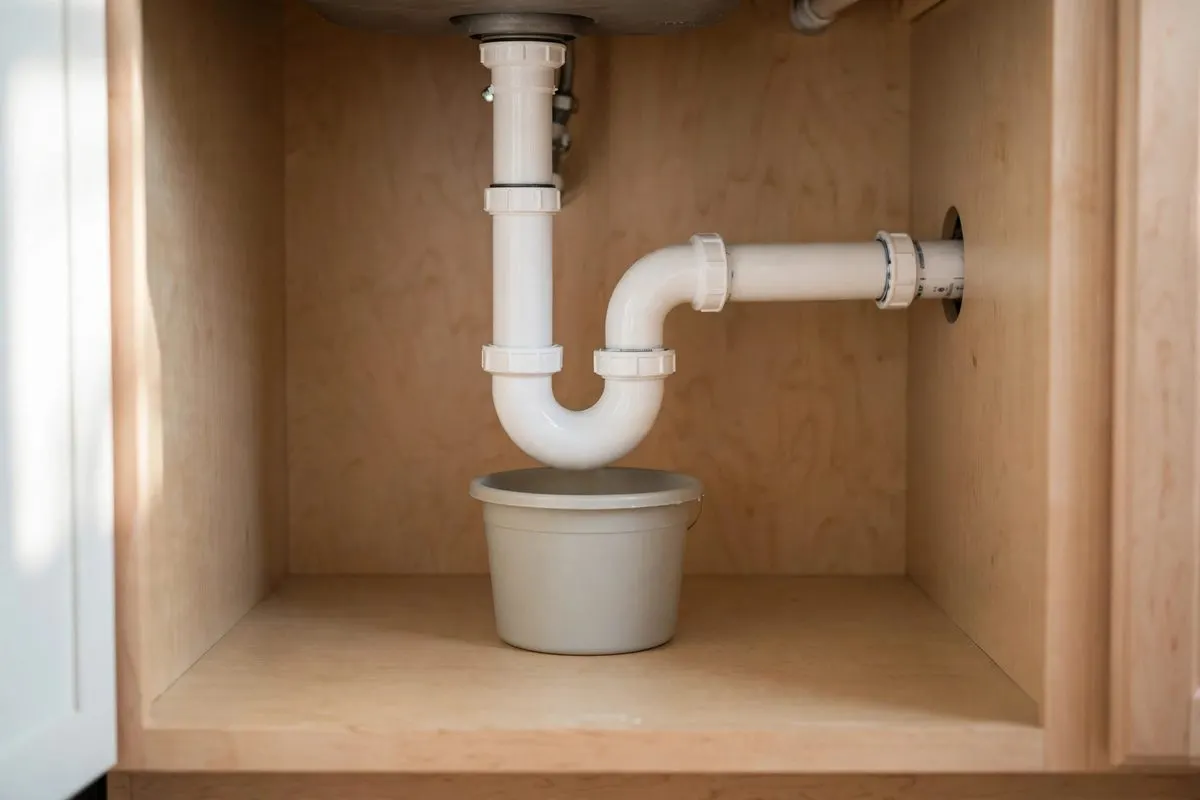
With a double sink, which side acts up tells the technician a lot. If only one basin drains slowly, the clog is usually close: that trap, the tailpiece, or the short pipe feeding it. A clogged kitchen sink on one side is often the quickest fix.
If both sides are slow, or water pushed down one side rises in the other, the blockage is in the shared branch line behind the wall. Clearing one trap will not help, because both basins feed the same restricted pipe. The technician works from an access point past where the two sides join. Which sides are affected is one of the first things kitchen drain cleaning Ephrata dispatchers ask about. If a bathroom fixture is slow at the same time, the issue may sit further down still; our page on bathroom drain cleaning explains how to read that sign.
When a garbage disposal clog backs up the dishwasher
The dishwasher and the sink share a drain path. In most Ephrata kitchens the dishwasher hose connects at the disposal or a fitting just above the trap, so its water must pass through the same branch line as the sink. A garbage disposal clog downstream of that connection leaves pumped water nowhere to go except up into the basin, and it is one of the most common reasons for a kitchen drain cleaning in Ephrata call.
People often blame the dishwasher, but it is usually doing its job. The standing water is the symptom; the blockage is in the shared line past the connection point. Clearing that section fixes both at once.
Clearing a kitchen sink drain clog behind the wall
A kitchen sink drain clog past the trap calls for a drain cable, the coiled steel line fed into the pipe to cut through the blockage. The technician picks an access point, often the trap arm under the sink or a cleanout in the basement, and runs the cable until flow is restored.
When the line is coated with grease rather than blocked at one spot, cabling opens a path but leaves the coating behind. That is when hydro jetting earns its keep: high-pressure water scours the pipe walls and gives a greasy line a cleaner start. Our hydro jetting page covers when it fits and when it does not.
When kitchen drain cleaning Ephrata pros get called back to the same sink within weeks, they usually suggest a camera look at what the cable cannot feel: a sagging section, a rough joint, or a spot where grease keeps settling. That step turns a repeat visit into a diagnosis. If the problem reaches past the kitchen branch, main drain line cleaning may be what the line actually needs.
Where a kitchen clog usually sits
Where the clog sits decides the fix. Kitchen drain cleaning Ephrata technicians read these signs on every visit.
| Location | Signs you will notice | How it gets cleared |
|---|---|---|
| The trap under the sink | One basin drains slowly or stands full | Trap opened and cleaned, then reassembled |
| The branch line behind the wall | Both basins slow, disposal side gurgles | Cable run from the trap arm or a cleanout |
| Past the branch, toward the main | Sink backs up when the dishwasher runs | Camera check, then cabling or jetting |
Keeping it clear: habits that actually help
No habit makes a kitchen drain immune to clogs, and no product keeps a line clean forever. Habits slow the buildup so the line stays open longer between kitchen drain cleaning Ephrata visits. The biggest change is keeping grease out of the drain: let pans cool, wipe them with a paper towel, and put the towel in the trash. It takes seconds and does more than anything else on this list.
A sink strainer comes second. It catches particles that would settle in the trap, and emptying it into the trash beats clearing a clog. Scrape plates before rinsing, run cold water while the disposal runs and a few seconds after, and go easy on starchy foods. Do not pour chemical drain cleaner down a slow sink: it rarely clears grease, it can harm older pipes, and it leaves caustic water for the technician. Describe the problem, we will dispatch a local pro to clear the line properly.
Ephrata homes and kitchen drains
Kitchen drains in Ephrata reflect the age of the house around them. In Ephrata Borough, many homes along Main Street and the older side streets date to the 19th and early 20th century, with kitchens often added or remodeled decades later. Those remodels left branch lines with extra bends and longer runs, and older galvanized or iron pipe gives grease a rough surface to grip. That is why kitchen drain cleaning Ephrata calls from the borough often involve lines that clog on habits a newer pipe would shrug off.
In Ephrata Township subdivisions from the 1960s through the 2000s, kitchen lines are usually in better shape but run longer distances to the main stack, giving grease more pipe wall to coat. Village homes in Clay and Hopeland mix older and newer construction, so the technician checks the actual line rather than guessing by the street. For the borough's older lines, see drain cleaning in Ephrata Borough; near Middle Creek, see drain cleaning in Hopeland.
Ask about pricing on the phone before any work begins, and the technician will walk you through what your kitchen line needs.
Kitchen drain cleaning Ephrata: homeowner questions
Kitchen sinks clog again and again because the line is narrowing, not because of one bad meal. Grease coats the inside of the pipe, then starch and food particles stick to that coating and build it up. Clearing the clog without cleaning the line leaves the buildup in place, so the next blockage forms in the same spot. A technician clears the line and can explain what is causing the repeat visits.
Yes. Hot grease looks harmless when it goes down, but it cools and hardens inside the pipe a few feet past the trap. Over time that layer catches everything else you rinse down, from coffee grounds to rice. Wiping pans with a paper towel before washing keeps most of it out of the line.
A disposal does not prevent clogs. It grinds food into small pieces, but those pieces still have to travel through the same branch line, and fibrous or starchy food can pack together downstream. Running cold water before, during, and after use helps, and scraping plates into the trash first helps more.
The dishwasher drains through the same branch line as the sink, usually through the disposal or a dedicated connection. When that line is partly blocked, the pumped water takes the easiest path, which is up into the sink basin. It is a sign the blockage sits past the point where the two connect, not inside the dishwasher itself.
Both clear the line, but neither can promise it will never clog again. Cabling cuts through the blockage and restores flow. Jetting scours grease and buildup off the pipe walls, which gives heavy kitchen lines a cleaner start. What keeps it clear is what goes down the drain after the visit.
Light use is usually fine if the sink is only draining slowly. If water is standing in the basin or backing up into the other side, stop using it so the line does not fill further. Do not pour chemical drain cleaner down while you wait. It can harm pipes and it makes the technician's job more hazardous.
Grease and cooking oil are the biggest offenders, followed by coffee grounds, pasta, rice, and fibrous scraps like celery. Even small amounts add up in a line that already has buildup. A sink strainer catches the rest, and emptying it into the trash takes seconds.
The technician first figures out whether the clog is in one trap or in the shared line behind the wall. If only one side backs up, the problem is usually in that trap or tailpiece. If both sides are slow, the blockage is further down, and the line gets cabled or jetted from an access point. Knowing which side acts up, and when, speeds up the diagnosis.
Kitchen drain cleaning Ephrata can call today
One call connects you with an experienced local pro for kitchen drain cleaning Ephrata, with pricing discussed with the technician before work begins.